Holly Jolly Babe – Retro Christmas SVG Reviewed
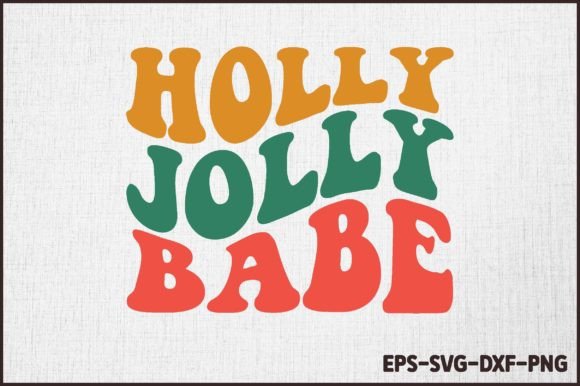
When I first opened the Holly Jolly Babe – Retro Christmas SVG, I felt that immediate pull toward a project that doesn’t take itself too seriously. The design has a playful, mid-century holiday mood—think bold lettering, a cheeky slogan, and that warm nostalgic palette that makes Christmas decor feel personal rather than store-bought. As someone who spends most days digitizing, hooping, and stitching custom orders, I’ve learned to spot a design that will translate well into thread and fabric versus one that will cause headaches. This one, for the right application, can be a real winner.
First Impressions from a Designer’s Bench
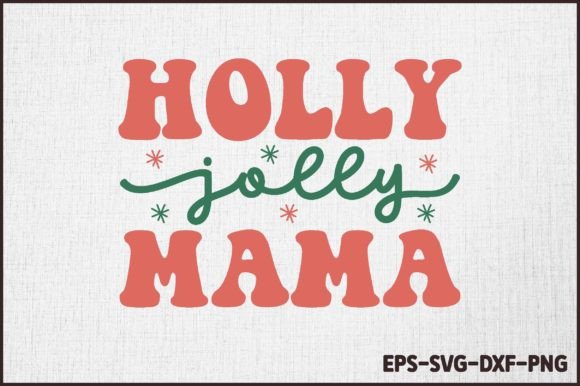
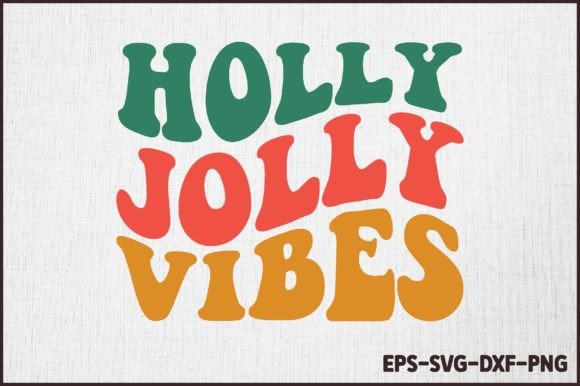
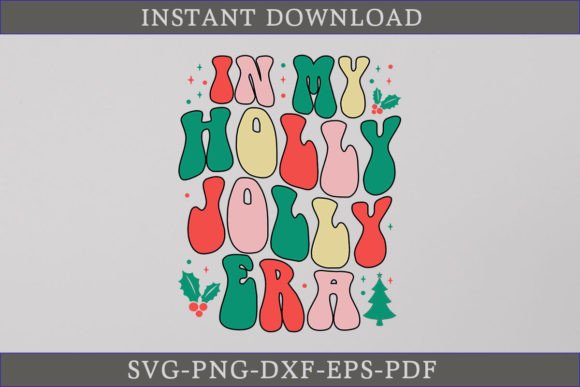
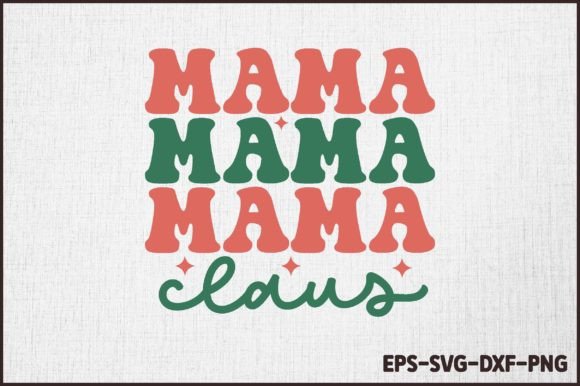
The layout of Holly Jolly Babe – Retro Christmas SVG is clean and balanced. The lettering carries a retro script vibe with enough weight to stand up to stitching, and the surrounding graphic elements—think classic holiday shapes—are distinct without being overly detailed. That matters more than most buyers realize. When you convert a Graphics file into an embroidery file, every thin line and tiny gap becomes a potential trouble spot. Here, the shapes are generous, which means your digitizer won’t have to guess how to handle fragile details. The design reads clearly at a distance, which is exactly what you want for a tote bag, sweatshirt, or apron that needs to catch a customer’s eye from across a craft fair table.
The mood is unapologetically fun. It feels like something you’d stitch for a friend who loves vintage Christmas kitsch, or for your own small shop inventory when you need a piece that sparks conversation. It doesn’t try to be elegant or minimalist. Instead, it leans into personality, and that makes it a strong candidate for Crafts and handmade products where the buyer wants a smile as much as they want quality stitching.
How It Holds Up in Real Embroidery Projects
I recently prepped a custom tote bag using a converted version of Holly Jolly Babe – Retro Christmas SVG. I treated it as a fill-stitch design with satin outlines, hooped a medium-weight cotton canvas, and used a tear-away stabilizer. The result was crisp. The lettering stitched out cleanly, and the retro elements held their shape without puckering. On a sturdy fabric like canvas or denim, this design shines. The shapes are forgiving enough that even if your tension is slightly off, the design still reads well.
For custom apparel, I tested it on a cream-colored sweatshirt. The contrast was strong, and the design sat beautifully on the front chest area. I used a cut-away stabilizer to support the stitches through repeated wear and washing. After three washes, the design still looked sharp—no distortion, no loose threads. That’s the kind of durability your customers expect when they pay for a personalized gift or a boutique item.
I also tried it as a small embroidered patch on a child’s stocking. The detail handled the reduced size better than I anticipated. The internal shapes did not collapse, and the lettering remained legible at about four inches wide. If you are thinking about using this design for baby embroidery or small-scale projects, I recommend testing it at your target hoop size first, but the early signs are promising.
Where Holly Jolly Babe Works Best
After running this design through several projects, I can confidently recommend it for:
- Sweatshirts and t-shirts – especially in a chest or back placement. The retro feel works well on relaxed-fit garments.
- Tote bags and aprons – the sturdy fabric supports the stitch density, and the design becomes a focal point for holiday markets.
- Pillow covers and tea towels – as a seasonal home decor item, it sells quickly at craft fairs and on Etsy seller shops.
- Embroidered patches – if you want to offer iron-on or sew-on patches, this design digitizes well into a patch format with a satin border.
- Personalized gifts – adding a monogram or small name underneath or beside the design makes it feel custom without overwhelming the layout.
For small shop product lines, this design fills a niche: it is not too cutesy, not too generic, and not too detailed to digitize efficiently. It hits the sweet spot between quick production and strong shelf appeal.
When and Where to Use Caution
No design is perfect for every surface, and Holly Jolly Babe – Retro Christmas SVG has its limits. Here is where I would advise caution:
- Small hoop sizes – If you plan to stitch this in a 4x4 hoop, the lettering and graphic elements will be tight. Test a scaled-down version before committing to a run of products. Some detail may need to be simplified during digitizing.
- Stretchy or thin fabric – On lightweight knits or jersey, the design may cause tunneling or distortion. Use a stable cut-away stabilizer and consider reducing stitch density if your software allows it.
- Curved surfaces like caps – The layout is wide, which means it may not sit well on a curved cap front without distorting the lettering. If you want to use it on hats, split the design into a smaller version or choose a cap-friendly placement.
- Very dark fabric – The design relies on contrast. If you stitch it on black or deep navy, choose a bright thread color and test visibility. A white or metallic thread can make the retro vibe pop, but check that the stitch density is sufficient to cover the fabric.
- High-wash items – For products that will be washed frequently, like kitchen towels or baby bibs, confirm that the thread and stabilizer can handle repeated cycles. The design itself is sturdy, but the fabric and stabilizer combination matters.
Practical Designer Notes for Real Use
If you plan to work with Holly Jolly Babe – Retro Christmas SVG in your embroidery project, here are the steps I follow before stitching a finished product for a client or my own inventory:
- Test on scrap fabric first – Always. The same design can behave differently on cotton versus polyester blends. Run a test stitch-out and adjust tension or stabilizer as needed.
- Check thread color contrast – Print a black-and-white mockup of the design to see where values clash or blend. If the lettering disappears into the background, choose a thread color that creates separation.
- Review stitch density – If you are converting the SVG yourself, look for areas where the digitizer may have placed too many stitches. Dense areas cause puckering on lightweight fabric. Simplify if needed.
- Inspect small details – The design has some fine internal lines. Make sure your digitizer did not turn them into tiny columns that will pull or break during stitching.
- Compare light and dark backgrounds – I always test on both a light and a dark fabric because the visual weight of the design shifts. What looks balanced on white may feel heavy on black.
- Use proper stabilizer – For most garments, a medium-weight cut-away stabilizer is safest. For tote bags and home decor, tear-away works if the fabric is stable.
- Confirm licensing – The product says digital instant download with SVG, PNG, DXF, and EPS files, and that it can be printed on anything. Before you sell finished products or include the design in a digital bundle, verify the commercial use terms. Not all Graphics files allow unlimited commercial use. When in doubt, reach out to the seller.
Visual Appeal and Customer Trust
One of the underrated aspects of Holly Jolly Babe – Retro Christmas SVG is how it affects the perceived value of your finished product. When a customer sees a well-stitched, retro-inspired design on a quality garment or accessory, they associate that attention to detail with your brand. It signals that you care about both the design and the craftsmanship. That trust translates directly into repeat sales and word-of-mouth referrals.
The design also works beautifully as a printable mockup for your online shop. Because the SVG is clean and high-resolution, you can place it on a product photo or flat lay to show potential buyers exactly how the finished piece will look. That visual clarity reduces returns and increases engagement. I have used the PNG version for social media previews, and the response has been strong—people love the nostalgic Christmas feel.
Final Thoughts on Holly Jolly Babe – Retro Christmas SVG
If you are an Etsy seller, a small shop owner, or a hobbyist looking for a design that bridges fun and function, this one deserves a spot in your digital library. It is not so complicated that it requires hours of digitizing tweaks, yet it has enough personality to stand out in a crowded holiday market. The file formats included—SVG, PNG, DXF, EPS—give you flexibility whether you are stitching, printing, or creating digital assets for your shop.
My advice: grab a test hoop, pick a thread color that makes you smile, and stitch out a sample on a piece of canvas or a plain sweatshirt. See how it feels in your hands and how it reads from across the room. I think you will find, as I did, that Holly Jolly Babe – Retro Christmas SVG is more than just a pretty graphic. It is a reliable, saleable, and genuinely enjoyable design to work with. That combination is rare, and it is exactly what keeps me coming back to this style of retro holiday art for my own craft business.